mercado and supermercado (dispatch #5)
The first thing I did in Mexico, more or less, was go to the supermercado - the “super,” so as to distinguish it from the regular old mercado. The regular old mercado is in many ways superior, and I have gone there as well. But the first day was about filling up an empty kitchen. For that you want the super.
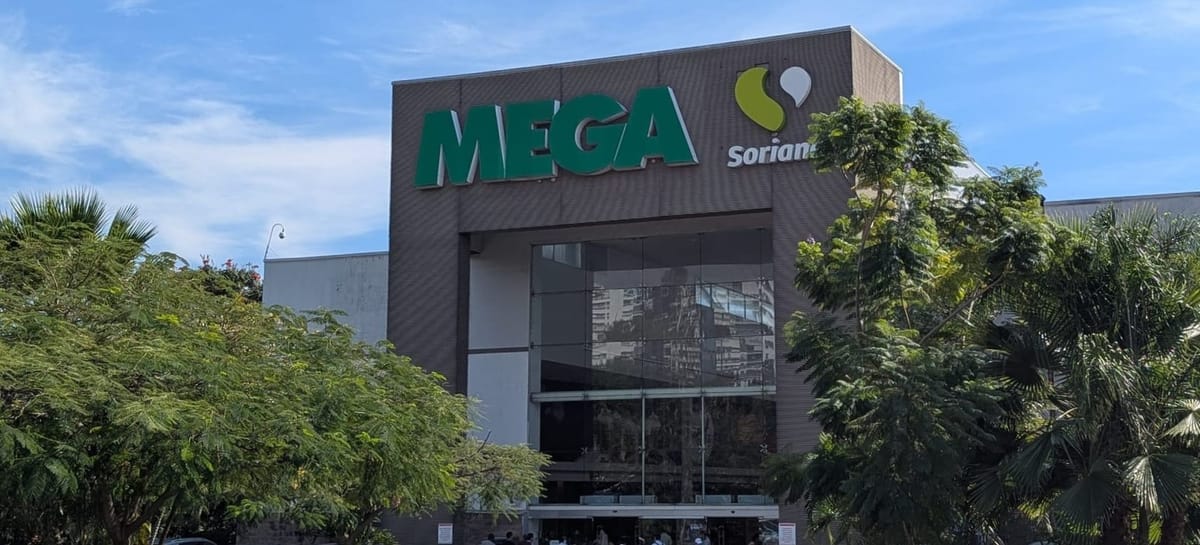
Jorge drove me to a store called La Mega, whose name suggests it's even bigger than “super.” It’s essentially a big Walmart (which also abound here), or for those of you in the midwest, a Meijer’s. Groceries on one side and stuff on the other side.
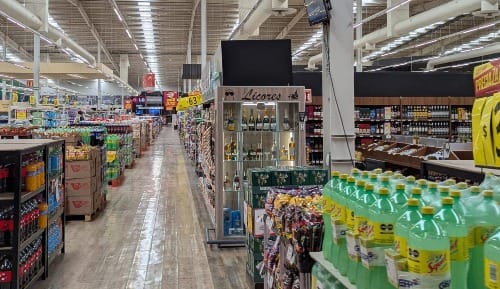
Having lived in New York City for almost thirty years, I find this level of abundance confusing enough. Now replace most of the brand names you know, change the prices to pesos (but with the same $ symbol), change the measurements to grams and liters, and everything else by about five percent - just enough to be disorienting.
If you’re buying three things, you can manage that. Donde esta la leche? you ask someone in a vest, and off you go. But when you’re outfitting a kitchen, the dissonance begins to accumulate.
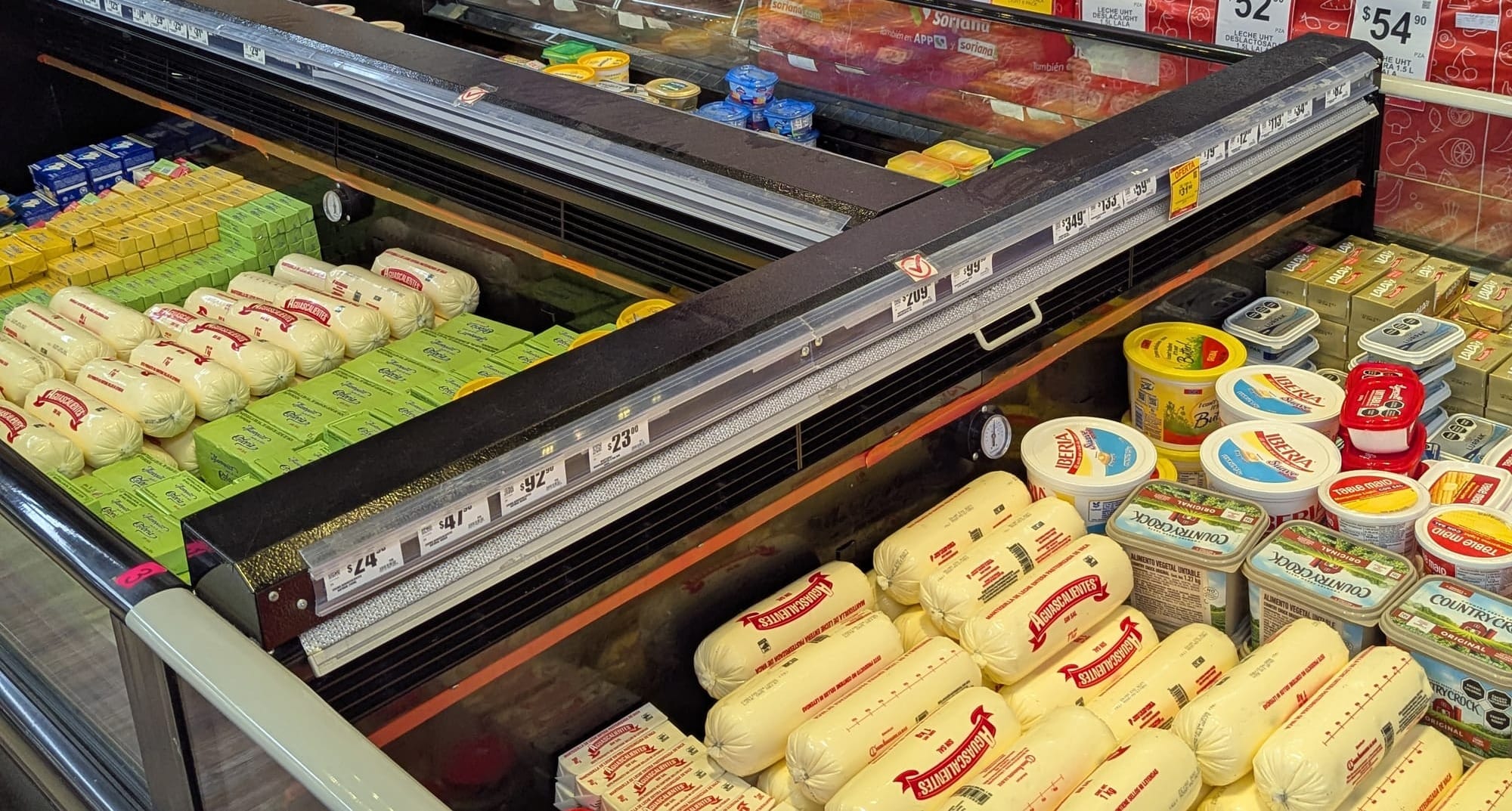
The first product we came to was butter. Sure. In the United States we have basically three types of butter: salted, unsalted, and the whipped kind in a tub where they’re charging you extra for air. (Yes, there’s Irish butter, but my snobbery lives in the sweet spot between “I won't have margarine in my house” and “I won't pay ten dollars a pound.”) There are a bunch of brands, but my MO is to ignore Breakstone’s and Hotel Bar, hope Land O Lakes is on sale, or if not then buy that Vermont one.
I imagine the experience of a foreigner looking at the butter selection in a Meijer’s would be nothing like what I just described. I can break it down as I did only because I have the cultural competency of the dairy aisle.(1)
Similarly: I have no concept of how many varieties of butter there are in Mexico. Countless, in different colors, green, blue, sin sal, con sal, innumerable marcas. I stood beyond bewildered, staring down dozens of options, trying to do the higher math of 360 grams into pounds - really, you couldn't make it 400 grams?(2) - and pesos into dollars, with only a vague sense of the exchange rate except the awareness that Donald Trump has made it worse for a visiting estadounidense.
And - this is the important part - Jorge was watching me.
Surely I should be over this. I’m twice Jorge’s age. Everything about him is pleasant and kind. He was ready with explanations when I needed them; curious about American tastes and practices. And yet at every turn, in every pasillo, I felt him watching me as I tried to decide between brands of mayonnaise(3) and how many cans of tuna I needed. And not just watching me: I had the weight of a whole country on my back.
I imagined him going back and telling Martha, “He insisted on buying the U.S. brand of oatmeal - ‘Quacker’? even though it was twice as expensive.” (I bought the local brand. It's just fine.)
And, you know, it’s not just Jorge. It’s not Jorge at all. It’s me (hi, I'm the problem, it’s me). I walk out the door and think, am I dressed too informally? Do I say buenas tardes to the three jovenes at the bus stop, or only to grown folks? (The kids, like kids everywhere, tend not to notice me nor to get out of the way). Am I saying buenas tardes correctly, or am I still struggling to say Ds that don’t sound like Rs? (I’m still struggling.) In the bank, where they would not open an account for me despite what it said on the website, the bank official asked me to remove my cap. In the moment, I thought it was a power move, like, American, I will teach you respect. In fact, she was just enforcing a universal policy of no hats or sunglasses in bank branches. You can get inside your head.
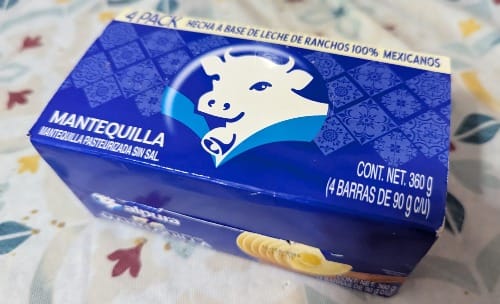
After an eternity at La Mega, I panicked and grabbed a blue package with a picture of a cow on it. It was unsalted, which was not what I wanted. I can’t tell you how the price compared, except it was probably not the most expensive. It tastes a little unfamiliar, and I have no idea if that is going to be all butter in Mexico, or if I bought the brand known for its distinctive taste. Or I just went for the Latin equivalent of Hotel Bar.
So it went, pasillo after pasillo. Finally, mercifully, we were checking out.
A week or so later, I went to the regular old mercado, the Mercado Carolina - which is not the big one in Cuernavaca, but it’s the one close to my digs. You can go to the super and figure it out all on your own, pull up SpanishDict and look up the word for cumin (comino). The cashier rattles off your total and you don’t understand so you just stick your card in the machine and hope it’s not too unreasonable.
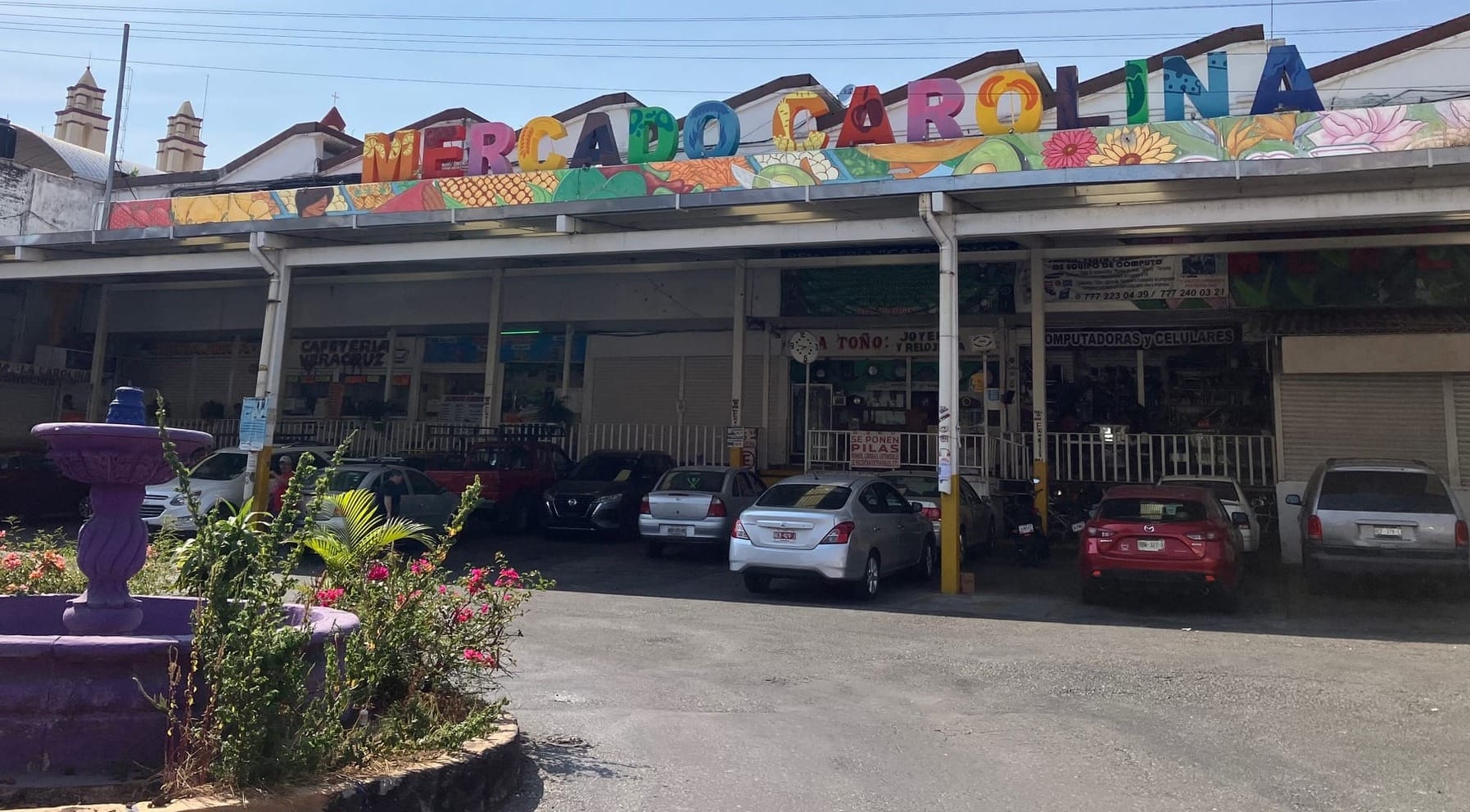
At the mercado there is no activity without human interaction. You look at a potato and someone is saying buenos dias to you - you always say buenos dias - and asking you how many you want. You want lettuce? Sure. How much? And the man begins tearing leaves off and putting them into a bag. You have to tell the other vendor that you don’t know the word for “pork chop” and she tells you, which you - I - didn't remember thirty seconds later(4), but she was delighted to tell me.
It’s all clumsy. And afterward you just feel delight in knowing that in the end, our common clumsiness is what binds us together. And that the willingness to look clumsy may be the first and best demonstration of trust in our fellow humans.
(1) The other day we were discussing English and Spanish words for passageways - mostly focused on “pasillo” vs. “passage” vs. other terms, and “aisle” entered the conversation. I wrote it out for my friend José and explained the silent S. He was, shall we say, dumbfounded.
(2) There is probably a whole history as to why butter in Mexico comes in sticks of 90 grams and not 100, involving machinery, or taxes, or different systems of weights and measures, or something. I am not going to write that history.
(3) I am informed that I chose wrong. https://www.southernliving.com/mccormick-mayonesa-11780259.
McCormick's black tea, on the other hand, might as well be sawdust.
(4) chuleta