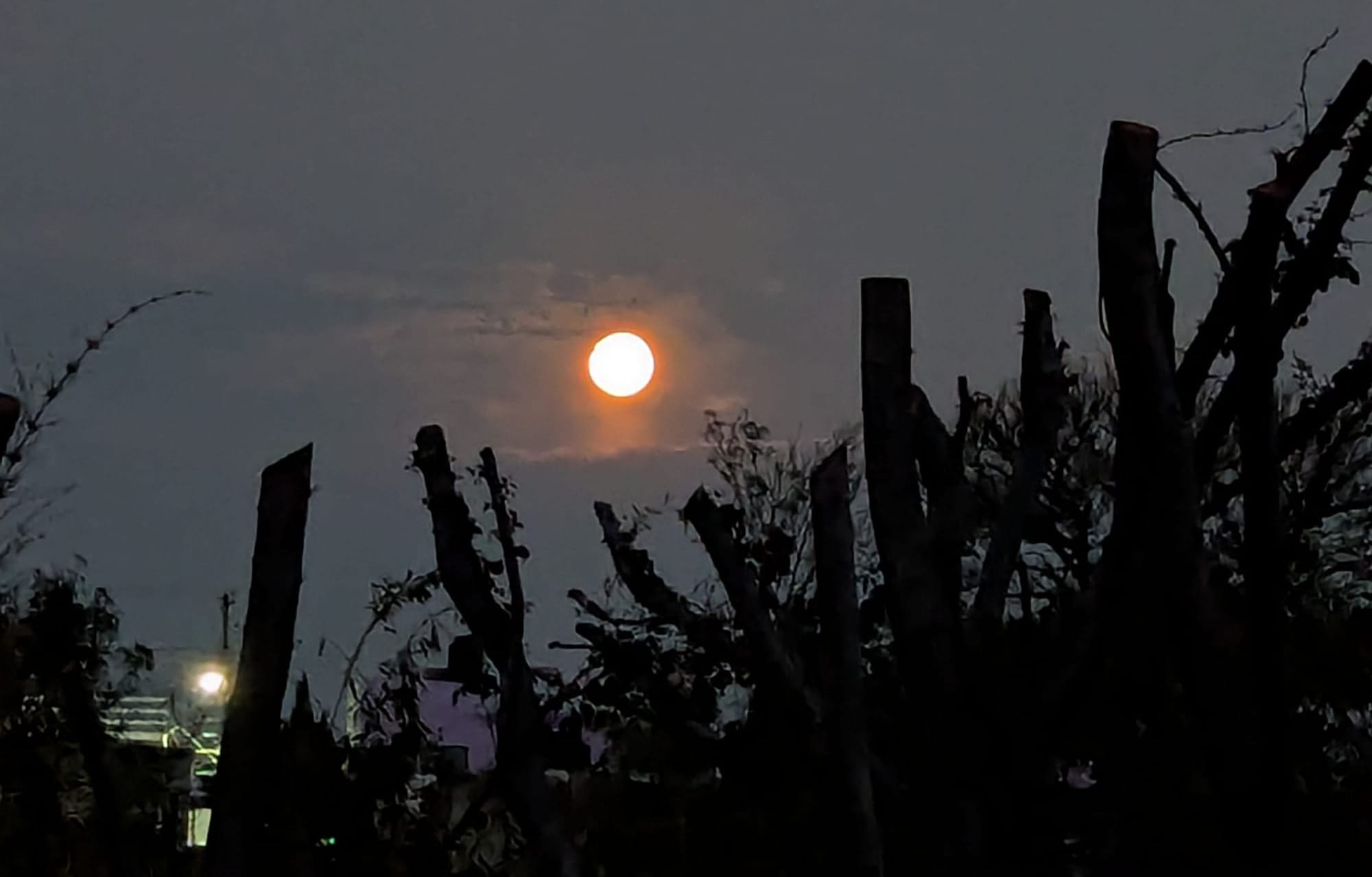
to the moon
We’re going back, people.
I’ve written before that my earliest memory is from July 20, 1969. Extended family were huddled around a black-and-white television in my grandmother’s cottage in Michigan. My father had fashioned an antenna out of aluminum foil, a “V” going up the wall, to pick up the TV signal from Chicago, seventy miles away. I remember a grainy image of the moon on the screen. I remember everyone’s rapt attention.
And I remember going outside, wandering alone in blinding sunlight. The cottage had been dark, probably curtains drawn, so people could see the screen better. I don’t remember if I was sent outside because I was annoying people, or if I just went out myself because I was bored. I was 3-1/2 years old, and occasional bursts of scratchy comms from Houston or the orbiter weren't going to hold my attention. Even if people were about to land on the moon for the first time.
I remember a little more about later missions. Probably Apollo 13. I don't remember the near-tragedy, but I remember being in the living room with my brother Will, and the excitement when the capsule splashed into the ocean and the frogmen went out to rescue the astronauts. Moon missions were cool. They also seemed routine. We’d been going to the moon since my earliest memory. We were always going to go, right?
We lost the thread somewhere. We built Skylab and space shuttles, but after a while we got tired of paying for anything but war. Congresspeople began asking “What are we going to space for?” and the answer, “To discover stuff,” fell out of favor. The Challenger exploded, in front of us all as we sat around our color TVs. Going to space was not only an expensive folly, it was a dangerous one.
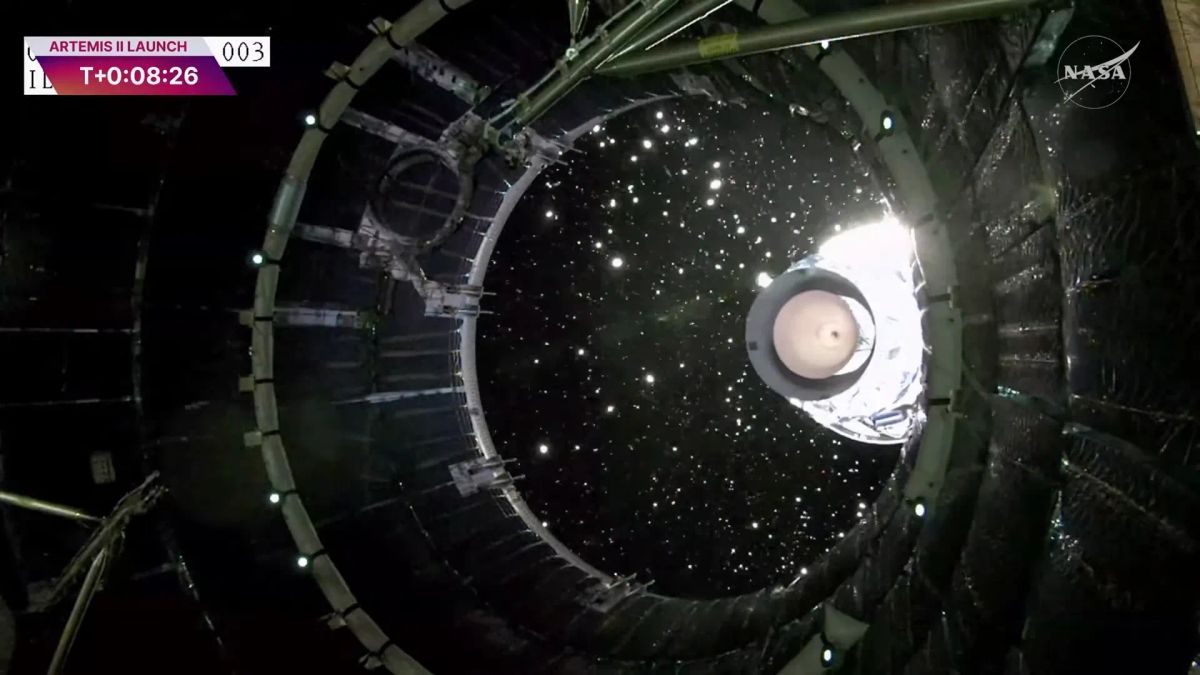
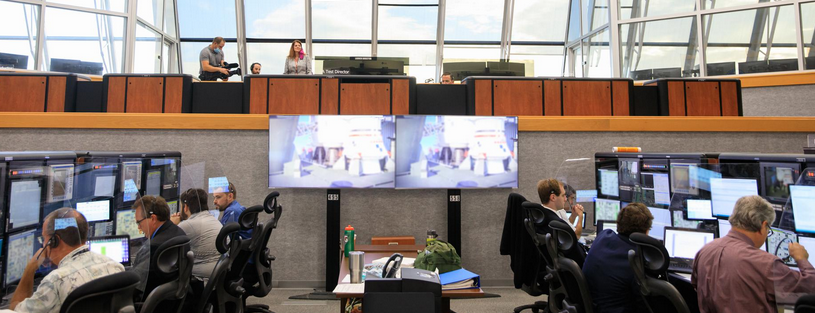
More recently, NASA’s preferred approach seems to have been to stay out of the news as much as possible, lest some other congressperson pining for the Cro-Magnon era cut their funding further. So I didn’t know anything about NASA’s plans for Artemis until yesterday, the day of the launch, when suddenly my social-media feed was full of mentions and explanations and links. I huddled over my laptop watching NASA's live feed; slicker than the days when Walter Cronkite was intoning explanations over video of the rows of monitors at Mission Control.
I had not expected the waves of emotion. Hearing comms with incomprehensible jargon like “ARS loop iso-valves are being closed at this time,” the jumble of acronyms, the calm professionalism of engineers and managers relaying and receiving updates and alerts. Women on the comms, this time around. And hearing the polls of the department heads, and their responses.
STC? “STC is go.”
GTC? “GTC is go.”
Safety Console? “Safety Console is go.”
Houston Flight? “Houston Flight is go.”
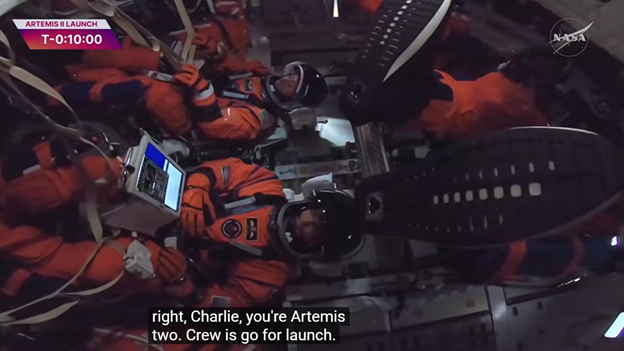
And finally, the Launch Director - another woman, Charlie Blackwell-Thompson, asking the crew for their status, and their responses:
This is Victor. We are going for our families.
This is Christina. We are going for our teammates.
This is Jeremy. We are going for all humanity.
I’ve worked on tech projects where we polled a number of people before going live. It was always a little emotional - thrilling and unnerving. I can’t imagine what it feels like in a project of this magnitude and complexity, of this much significance and danger. And yet, the NTD director, which is apparently an important job, on being told by the Launch Director “You have a go to proceed with countdown,” responded as if he was being asked to update a spreadsheet, “Copy that, I’ll put it in work.”
It’s all more automated now; the countdown is handled by computers, not a man on a mic. The speeches seemed a bit more canned. Didn’t matter. Seeing flames burst from the engines on the launch pad, and especially seeing the first images from the rocket in space, I laughed with joy.
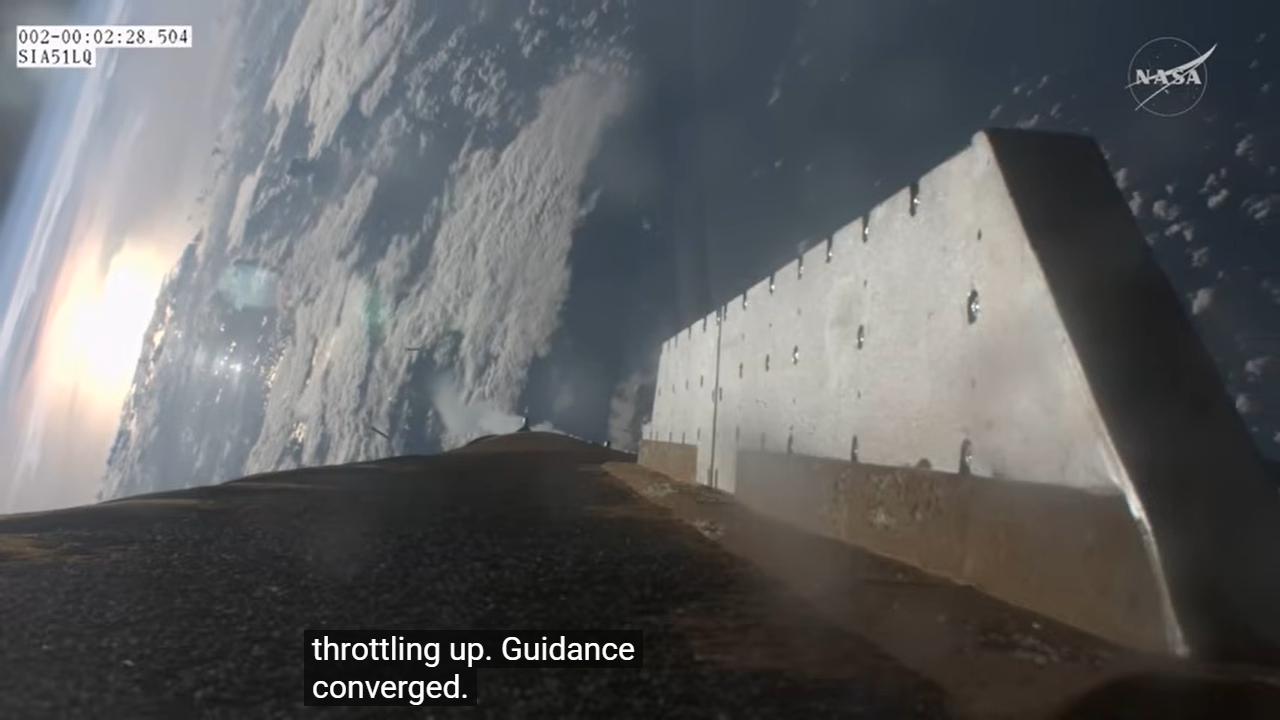
If you missed it, you can go back and watch the whole thing again here - start around the 5:15:00 mark for the good stuff. Or if you prefer, you can check in on a live feed here, or the mission website here. (The live feed appears to be intermittent.)
In the words of my friend Angus: “We’re going back, people.”